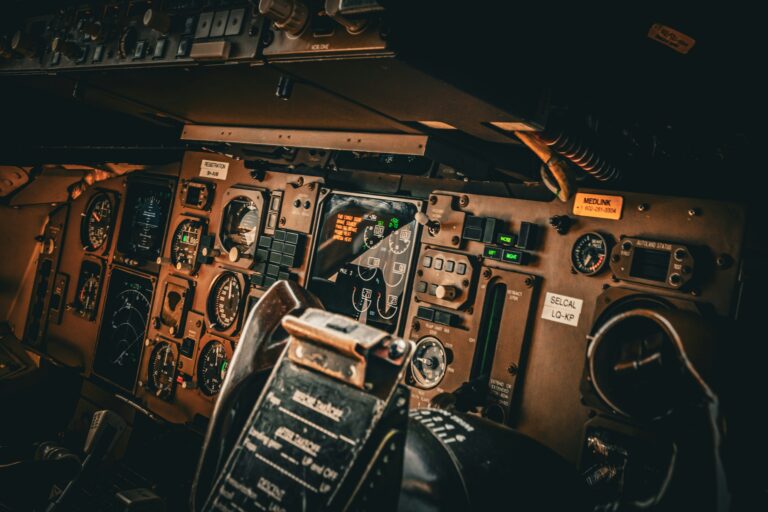

The aviation industry in Nigeria is a fast-growing sector, demanding high levels of precision, discipline, and technical expertise. At the heart of this industry are Aircraft Maintenance Engineers (AMEs)—the professionals responsible for ensuring that every aircraft is airworthy and safe for flight.
If you have a passion for mechanics and a head for rigorous standards, here is your roadmap to becoming an AME in Nigeria.
1. Educational Requirements
Before diving into specialized training, you must have a solid foundation in the sciences. The minimum requirement generally includes:
- O’Level Results: At least five credits in WAEC/NECO/NABTEB, including English Language, Mathematics, Physics, and Chemistry.
- Aptitude: A strong grasp of technical drawing and further mathematics is highly beneficial, though not always mandatory for entry.
2. Choose an Approved Training Organization (ATO)
In Nigeria, you cannot simply apprentice at a garage; you must attend an institution certified by the Nigeria Civil Aviation Authority (NCAA).
The Nigerian College of Aviation Technology (NCAT), Zaria
NCAT is the premier federal institution for aviation training. They offer a comprehensive AME program that typically lasts about two to three years.
- Ab-initio Course: This is the foundational course for beginners.
- Specializations: You will eventually choose between Airframe & Powerplant (Mechanical) or Avionics (Electrical/Electronics/Instruments).
Private Training Centers
There are several NCAA-approved private training organizations in Lagos and other hubs that offer modular courses and type-rating training.
3. The Licensing Process
Attending school is just the first step. To legally sign off on aircraft repairs, you need a license issued by the NCAA.
| Phase | Description |
| Knowledge Exams | You must pass a series of modular exams covering aerodynamics, aviation legislation, and materials. |
| Practical Experience | You are required to log a specific number of hours working on live aircraft under the supervision of a licensed engineer. |
| The Oral/Practical Exam | Conducted by NCAA examiners to test your hands-on skills and knowledge of safety protocols. |
4. Gaining Experience: The Internship Phase
Fresh graduates from NCAT or other ATOs usually join airlines (such as Air Peace, United Nigeria, or Ibom Air) or Maintenance, Repair, and Overhaul (MRO) facilities as Graduate Interns or Junior Technicians.
During this time, you will maintain a Technical Logbook, documenting every bolt you tighten and every system you inspect. This logbook is a critical requirement for your license application.
5. Type Rating: Becoming a Specialist
A basic AME license allows you to work on aircraft generally, but to lead maintenance on specific models (like a Boeing 737 or an Embraer 145), you must undergo Type Rating training. This involves:
- Specialized ground school for that specific aircraft.
- Practical “on-the-job” training (OJT).
- An endorsement on your license by the NCAA.
Key Skills for Success
- Attention to Detail: In aviation, there is no room for “good enough.”
- Integrity: You must be honest about the work performed; lives depend on it.
- Continuous Learning: Technology in aviation evolves rapidly, requiring constant recertification.
Conclusion
Becoming an AME in Nigeria is a rigorous journey that requires a significant investment of time and finances. However, it offers a rewarding career with global mobility, competitive salaries, and the immense satisfaction of knowing you are the reason those “heavy birds” stay safely in the sky.